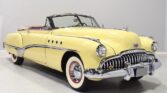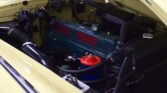
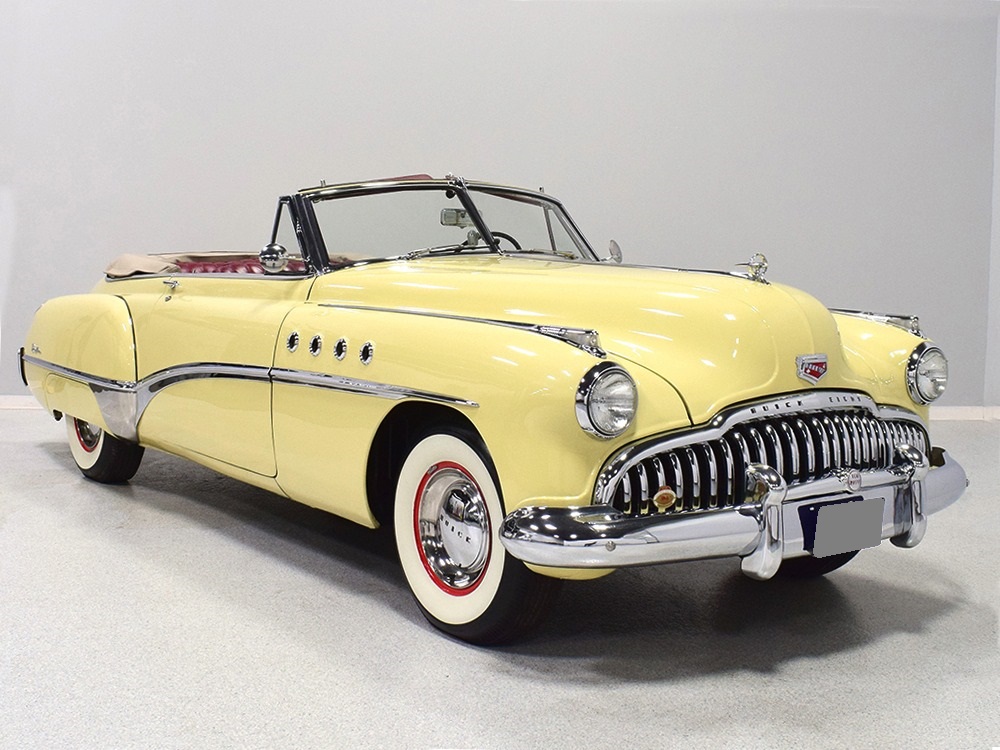
Buicks big 320 cubic inch straight-8 engine needs no introduction, offering 150 horsepower and a massive wave of torque at just about any speed. It was one of the most powerful engines on the market in 1949, even with the introduction of Cadillac OHV V8 that year. Fully rebuilt and highly detailed for show, it remains a fantastic driver and starts easily by depressing the accelerator pedal to trigger the starter. Finishes and hardware are correct throughout and…
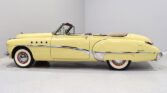
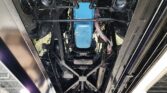
Buicks big 320 cubic inch straight-8 engine needs no introduction, offering 150 horsepower and a massive wave of torque at just about any speed. It was one of the most powerful engines on the market in 1949, even with the introduction of Cadillac OHV V8 that year. Fully rebuilt and highly detailed for show, it remains a fantastic driver and starts easily by depressing the accelerator pedal to trigger the starter. Finishes and hardware are correct throughout and with the Dynaflow transmission, it cruises easily at 60-65 MPH without much work. If you’re unaccustomed to it, the Dynaflow might feel strange at first, but you’ll suddenly find yourself wafting along at speed with the engine barely a whisper and you know it’s working properly. There’s correct new wiring throughout, the radiator keeps things nice and cool, and it includes an accessory oil filter bolted to the side of the block. You’ll also find a nicely finished undercarriage which wears basic black—that’s how Buick built them in 1949. The exhaust is hushed, the under-seat heater is effective, and thanks to Buick’s front A-arms and torque tube suspension, ride quality is impressive. Massive drum brakes at all four corners are effective for the car’s performance and it sits on 15-inch wheels with 8.20-15 BFGoodrich Silvertown wide whitewall tires, as original.